
Kidogo Toolbox: Is it a sin to feel gay?
Justin Renton • April 15, 2019
Is it a Sin to Feel Gay? (feat. SIW)
In this video, Guy answers the question “Is it a sin to feel gay?” Or, in other words, “Is it a sin if you have same-sex attractions?”
After living an active gay life for ten years, Guy Hammond decided to leave homosexuality behind in order to follow Jesus. It’s been over 30 years and although he is still sexually attracted to men, he hasn’t acted on those desires since his conversion. He is now the executive director of Strength in Weakness Ministries. This online community is dedicated to helping same-sex attracted Christians all over the world. In this toolbox series, Guy and his staff will be answering some of the most controversial and complex questions that face Christians today.
Check out Guy's ministry here: StrengthInWeakness.org
More from the International Church of Christ
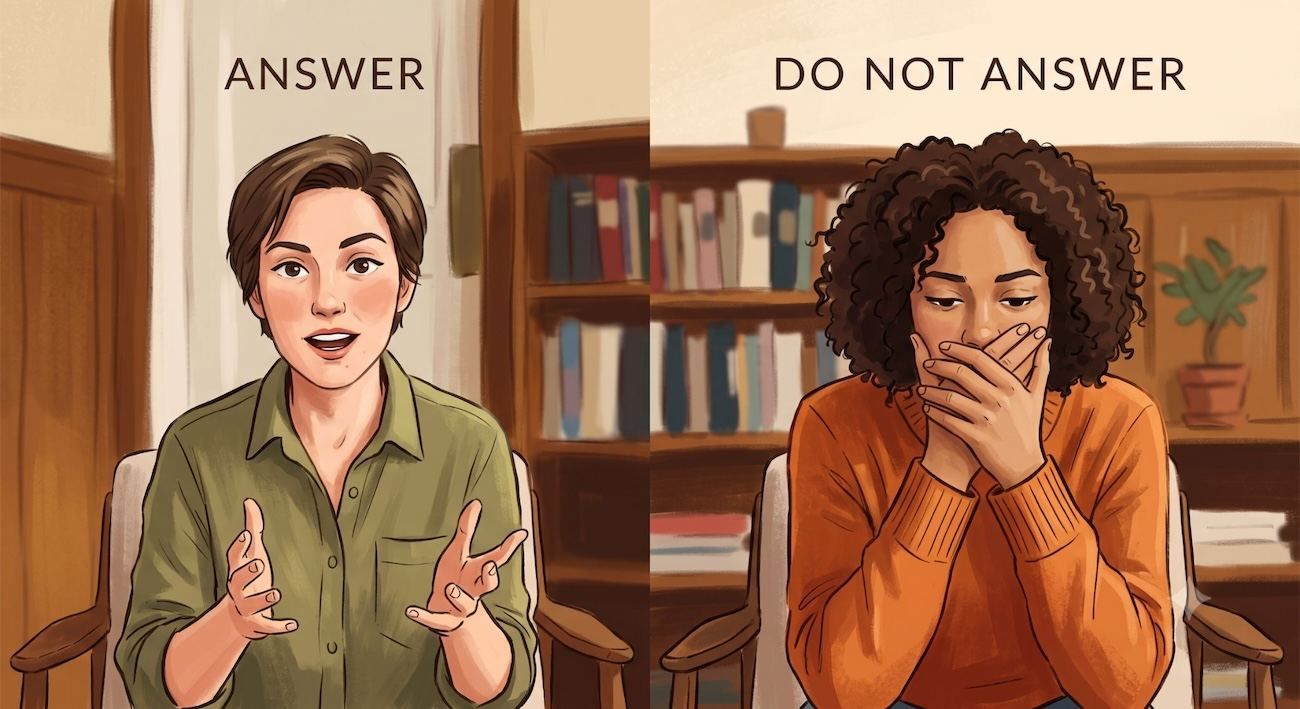
Proverbs 26:4-5 says both don't answer a fool and answer a fool. Justin Renton explores when silence is wisdom and when love requires speaking up.

For the last six years, God has brought together hundreds of disciples from around the world to encourage our churches in Eastern Europe. Discover how RevivALL began, the impact these teams have had, and what's next in this three-part video series.

Imagine you are at a neighborhood barbecue. Your new neighbor arrives late, dressed casually, and barely speaks. Someone whispers, “She thinks she’s too good for us.” You feel the quick sting of that snap judgment. Later, you learn she just lost her husband and is quietly grieving. In that moment, you sense the discomfort of judging wrongly, a rush to conclusions that harms relationships and reveals more about our own hearts than the other person. Yet, the same evening, when another guest makes a racist joke, you feel an inner nudge to speak up. Is that also “judging”? This everyday tension captures what Jesus presents in Scripture: a divine balance between grace-filled restraint and righteous discernment. The two commands in tension “Do not judge, or you too will be judged.” – Matthew 7: “Stop judging by mere appearances, but instead judge correctly.” – John 7:24 At first glance, these seem contradictory. Don’t judge. Judge correctly. Which is it? Matthew 7 warns against a critical, hypocritical spirit that condemns others while ignoring our own faults. The context continues: “For in the same way you judge others, you will be judged, and with the measure you use, it will be measured to you” (Matthew 7:2). Jesus then uses the vivid image of someone with a plank in their own eye trying to remove a speck from another’s. Notice the aim: “then you will see clearly to remove the speck.” Self-examination is not a reason to stay silent. It is how we become safe enough to speak (Matthew 7:3-5). John 7, however, shows Jesus defending his healing on the Sabbath. He challenges the religious leaders: stop superficial, appearance-based judgments and instead apply right, truthful judgment aligned with God’s character and Word. This is not a contradiction but a divine tension, two truths that must be held together. We are called to humility and self-examination (do not judge harshly or hypocritically), while also exercising discernment and moral clarity (judge correctly, according to truth). Christianity rejects both naive permissiveness (“anything goes, no one can say anything”) and harsh legalism (constant condemnation without grace).